Midjourney Style Keywords Guide
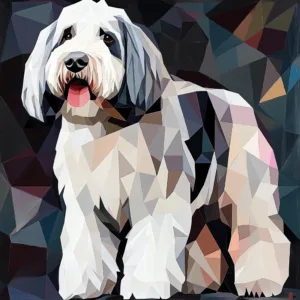
Los estilos en Midjourney permiten definir la estética visual de las imágenes generadas por IA sin necesidad de parámetros específicos. En lugar de usar –, los estilos se incorporan directamente en la descripción del prompt. Por ejemplo, puedes escribir «A futuristic cityscape, cinematic lighting, ultra-detailed, cyberpunk style» para lograr un efecto visual más definido. A continuación, se presenta una tabla organizada por categorías que describe distintos estilos y cómo pueden influir en los resultados.
En esta página hay información sobre estilos de Midjourney https://docs.midjourney.com/hc/en-us/articles/32835253061645-Art-of-Prompting
 |
 |
 |
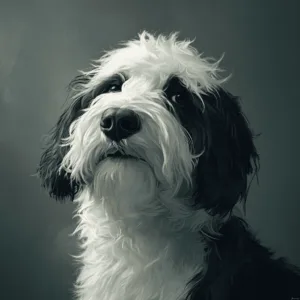 |
| watercolor style | Eiichiro Oda style | Cubism style | cinematic style |
Photography Styles
| Style Keyword | Description |
|---|---|
| Portrait Photography | Focuses on capturing the personality and mood of an individual or group. |
| Landscape Photography | Depicts natural scenery such as mountains, valleys, and forests. |
| Macro Photography | Extreme close-up photography, usually of small subjects like insects or flowers. |
| Street Photography | Candid photography capturing everyday life in public places. |
| Documentary Photography | Provides a straightforward and accurate representation of people, places, and events. |
| Aerial Photography | Photos taken from an elevated position, often using drones or aircraft. |
| Black and White Photography | Utilizes varying shades of gray to produce compelling images without color. |
| Fashion Photography | Highlights clothing and other fashion items, typically for advertisements or magazines. |
| Sports Photography | Captures the intensity and action of sports events. |
| Wildlife Photography | Focuses on animals in their natural habitats. |
| Astrophotography | Captures images of celestial bodies and phenomena. |
| Underwater Photography | Showcases marine life and underwater landscapes. |
| Architectural Photography | Emphasizes the design and structure of buildings and other constructions. |
| Food Photography | Showcases food in an appetizing and aesthetically pleasing manner. |
| Event Photography | Documents social gatherings such as weddings, concerts, and parties. |
Lighting Styles
| Style Keyword | Description |
|---|---|
| Natural Lighting | Utilizes sunlight as the primary light source. |
| Studio Lighting | Employs controlled lighting setups typically found in studios. |
| Low-Key Lighting | Produces dark, shadowy images with high contrast. |
| High-Key Lighting | Results in bright images with reduced contrast and minimal shadows. |
| Backlighting | Places the main light source behind the subject, creating silhouettes or halos. |
| Side Lighting | Illuminates the subject from the side to enhance texture and depth. |
| Golden Hour Lighting | Captures the warm, soft light shortly after sunrise or before sunset. |
| Blue Hour Lighting | Occurs during twilight, providing a cool, bluish tone. |
| Rembrandt Lighting | Creates a triangle of light on the cheek opposite the light source. |
| Butterfly Lighting | Casts a butterfly-shaped shadow under the nose from overhead lighting. |
| Split Lighting | Illuminates half of the subject’s face, leaving the other half in shadow. |
| Broad Lighting | Lights the side of the face turned toward the camera. |
| Short Lighting | Lights the side of the face turned away from the camera. |
| Hard Lighting | Produces sharp, well-defined shadows from a direct light source. |
| Soft Lighting | Creates gentle, diffused shadows using light modifiers like softboxes. |
Artistic Movements
| Style Keyword | Description |
|---|---|
| Impressionism | Focuses on light and color to capture the essence of a scene rather than realism. |
| Expressionism | Conveys emotional experiences with distorted forms and bold colors. |
| Cubism | Depicts subjects from multiple viewpoints as geometric forms. |
| Surrealism | Features dream-like scenes and illogical juxtapositions. |
| Abstract Expressionism | Uses spontaneous brushstrokes and bold colors. |
| Pop Art | Incorporates imagery from popular culture and media. |
| Futurism | Celebrates technology, speed, and dynamic movement. |
| Dadaism | Uses absurdity and irrationality to challenge artistic norms. |
| Art Nouveau | Features flowing lines and natural forms in decorative designs. |
| Baroque | Shows dramatic lighting and rich detail to convey grandeur. |
| Rococo | Emphasizes elegance and playfulness in decorative art. |
| Minimalism | Uses simple forms and limited color palettes. |
| Gothic | Conveys dark and mysterious aesthetics, often architectural. |
| Renaissance | Revives classical balance and realism in art. |
| Romanticism | Expresses emotion and the glorification of nature and history. |
Artistic Techniques
| Style Keyword | Description |
|---|---|
| Watercolor Painting | Uses translucent pigments for soft, flowing visuals. |
| Oil Painting | Provides rich texture and vibrant color using oil-based paint. |
| Acrylic Painting | Dries quickly and is versatile in style and texture. |
| Ink Wash Painting | Uses diluted ink for monochrome effects with tonal variation. |
| Charcoal Drawing | Creates deep contrast and expressive strokes using charcoal. |
| Pastel Drawing | Features soft, blendable pigments for vibrant imagery. |
| Collage | Combines materials into a unified visual composition. |
| Mosaic | Uses small colored pieces to form images or patterns. |
| Fresco | Applies pigment to wet plaster for durable wall painting. |
| Graffiti | Urban street art often painted with spray cans. |
| Pointillism | Creates imagery with small, distinct color dots. |
| Sfumato | Blends tones softly without harsh outlines. |